

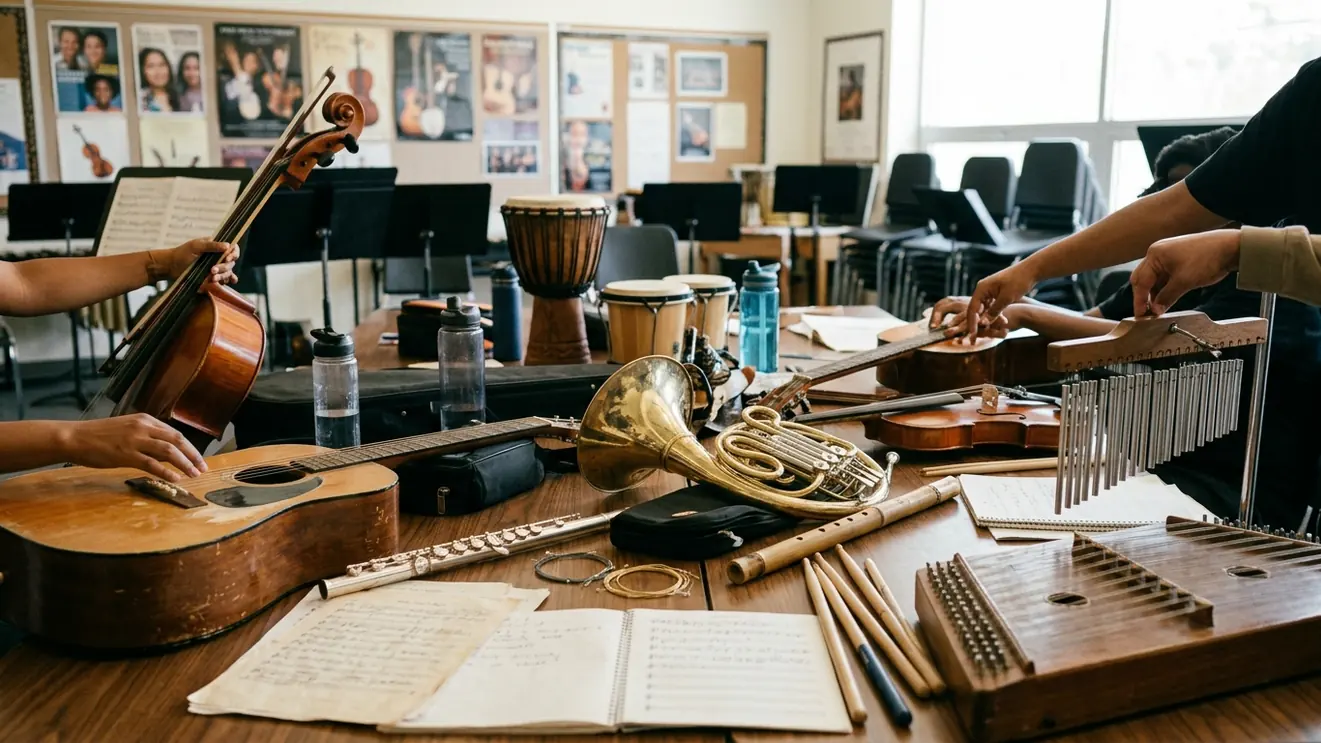
Rethinking the Traditional Music Curriculum
Curriculum review cycles spanning roughly three to four years dictate the pace of change in most public school districts. During these long windows, the Western European canon maintains its historical dominance in K-12 music education by sheer inertia. Students sit in rehearsal rooms playing the same masterworks their directors played decades ago—a cycle that requires disruption.
Available data indicates that theoretical discussions on equity are outpacing practical classroom implementation. The decision to focus on actionable, list-based strategies emerged after reviewing recent educator feedback. Teachers understand the critical need for students to see themselves reflected in the music they study and perform. They lack the immediate tools to make it happen. This guide provides those tools, offering proven methods to deconstruct traditional biases and diversify your classroom repertoire.
Criteria for Selection: Choosing Meaningful Repertoire
Initially, we considered categorizing repertoire strictly by heritage months. We discarded this approach after educator feedback indicated it reinforced tokenism rather than year-round integration. True programming for justice demands a structural shift in how we evaluate musical worth.
You must balance historical figures, such as Florence Price: woman composer of African descent, with living voices. A major ensemble piece requires about four to six weeks of dedicated rehearsal time. Dedicating that block solely to dead European men signals to students whose voices matter. The methodology for selecting the strategies and composers featured in this guide centers on sustained, meaningful engagement over superficial representation.
Main Point: Repertoire Evaluation Checklist: Avoiding Tokenism
- Is the composer's work being programmed outside of a designated heritage month?
- Does the lesson plan include the socio-political context of the piece, rather than just biographical facts?
- Are students engaging critically with the harmonic or rhythmic structures unique to the composer's background?
1. Start with Living Composers and Contemporary Contexts
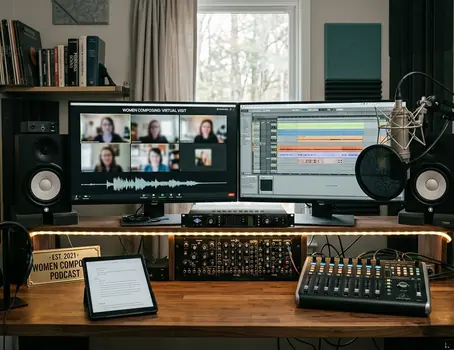
We prioritized virtual visits over in-person residencies in this guide to accommodate the strict budget constraints currently facing most public school districts. A Zoom call with a contemporary creator allows students to ask direct questions about modal theory and compositional intent. Commissioning accessible works for school ensembles or inviting composers into the digital classroom provides a guaranteed method to engage students in the active creation of music.
2. Contextualize Historical Women and BIPOC Composers
Programming a piece by a historically marginalized composer without addressing the cultural context often leads to superficial engagement and reinforces stereotypes. You must teach the socio-political realities that suppressed these figures during their lifetimes.
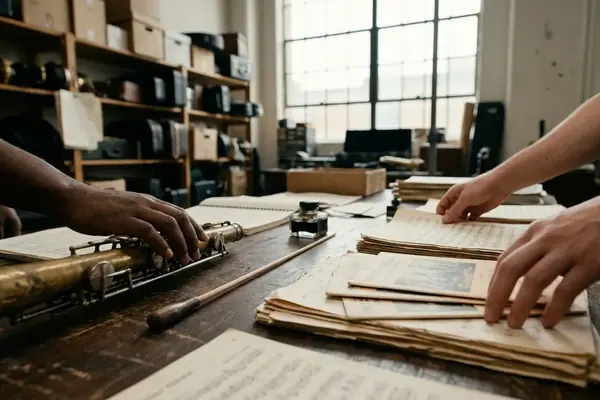
The focus here rests on socio-political context rather than purely biographical trivia to align with modern pedagogical standards that emphasize critical thinking. Introduce late 19th to early 20th-century archival letters into the rehearsal space. A primary source analysis lasting roughly 10 to 15 minutes per lesson deepens the ensemble's understanding of the ontological foundations of the work. When students read the actual correspondence of Margaret Bonds: woman composer of African descent, they connect the harmonic tension in her music to her lived experience.
3. Utilize Cross-Curricular Connections
Mapping music repertoire directly to state social studies standards ensures administrative buy-in for interdisciplinary projects. Music teachers who collaborate with history and literature departments elevate their ensembles from performance groups to academic laboratories.
Joint planning periods of about 45 to 60 minutes bi-weekly allow educators to align their syllabi. Studying a diverse composer's background fulfills broader educational standards while enriching the musical performance.
Caution: Cross-curricular alignment requires synchronized pacing with the history department, which frequently shifts due to standardized testing schedules.
Despite this hurdle, integrating the epistemology of music with historical events creates a certified framework for thorough arts education.
4. Incorporate Diverse Repertoire in Performance Ensembles
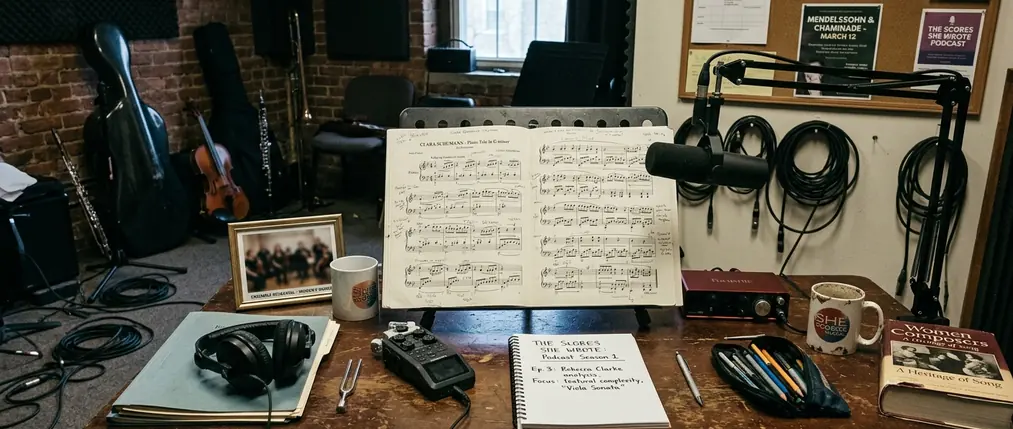
Grade 2 through 4 repertoire was selected as the focal point because it represents the bulk of middle and high school ensemble capabilities, ensuring the widest possible application. Repertoire difficulty grading varies significantly between different state adjudication lists, meaning a Grade 3 piece in one region may require Grade 4 rehearsal strategies in another.
Equitably feature underrepresented voices alongside traditional staples. Program works by Ulysses Kay: black male composer, or William Grant Still: black male composer, to challenge the standard harmonic expectations of your ensemble. Introduce pieces by George Walker: black male composer, and Adolphus Hailstork: black male composer, to demonstrate mastery of form and orchestration.
5. Leverage Digital Archives and Inclusive Databases
Finding high-quality, accessible scores by women and composers of color used to require extensive archival digging. Today, a growing network of online resources catalogs diverse musical works specifically for educational use.
We filtered recommended databases based on the immediate availability of full conductor scores and individual parts, rather than just audio recordings, to ensure immediate classroom utility. Applying search filters isolating works between roughly 2.5 and 5 minutes in duration yields highly programmable pieces for standard concert cycles.
Expert Tip: Consult the National Association for Music Education for updated lists of inclusive databases that provide immediate digital downloads of performance materials.
Explore the catalogs of contemporary creators like Chen Yi: Chinese composer, whose works are increasingly accessible through these digital platforms.
Sustaining an Inclusive Musical Future
Implementing one or two new diverse pieces per semester builds a sustainable, inclusive curriculum. The conclusion of multi-year research framed this approach around incremental steps to prevent educator burnout, a common theme identified at recent industry events.
A diversified music curriculum yields long-term benefits for student engagement and empathy. Do not feel overwhelmed by the prospect of a complete curriculum overhaul. Take deliberate, measured actions to champion marginalized voices in the arts.
While these programming strategies optimize representation, local district policies ultimately dictate repertoire purchasing timelines. Continue exploring non-Western harmonic systems and challenging the biases inherent in traditional music education.

Add Your Thoughts