
Resources
Why Blind Auditions Are No Longer Enough to Ensure Orchestral Equity
ESC closes search



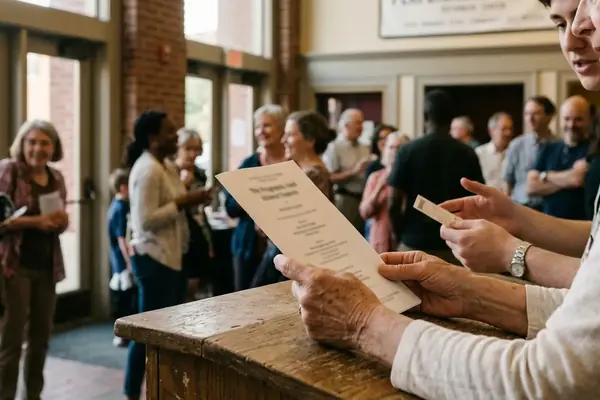
This historical erasure is not an isolated incident. The traditional classical music canon has long prioritized a narrow demographic, leaving extraordinary works by women and BAME composers unheard. We are dedicated to changing this narrative. Through our radio show and advocacy, we amplify these underrepresented voices, ensuring their music receives the performance space it deserves.
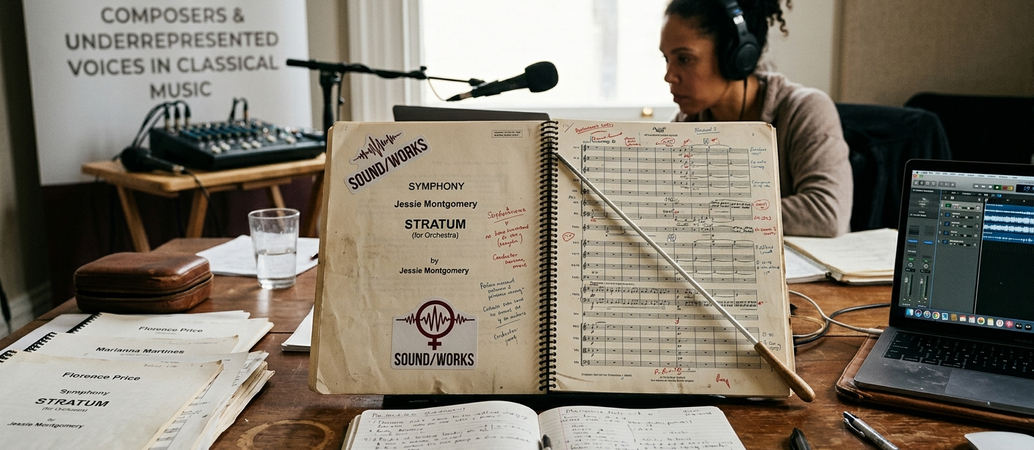
Recognizing the gaps in historical programming is only the first step. The real work lies in actively reshaping what audiences hear in concert halls and what students learn in classrooms. By championing diverse composers, we enrich the entire musical world.
Our platform offers a wide-ranging look at the figures and movements shaping a more inclusive future for classical music.

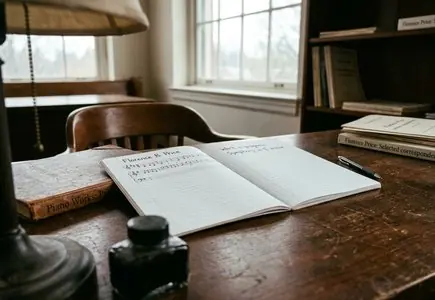
Profiles, analysis, and celebrations of historical and contemporary female composers.
Read Profiles
Exploring the works and legacies of BAME and underrepresented composers.
Discover Voices
Discussions on programming for justice, gender equality, and racial balance.
Join the Discussion
Repertoire consulting, educational materials, and guides for inclusive planning.
Access GuidesTraditional concert seasons often rely on the same handful of historical figures—a safe but ultimately stagnant approach. Inclusive programming requires deliberate action rather than passive selection.
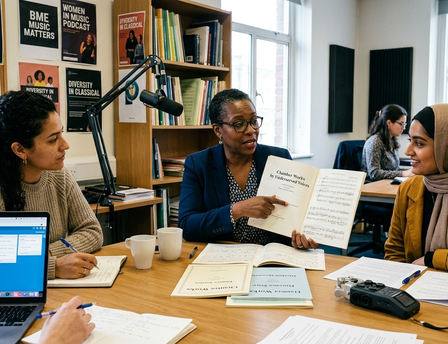
When orchestras actively diversify their repertoire, the resulting performances resonate with a broader, more contemporary audience. In practice, integrating works by marginalized creators revitalizes the concert experience. One effective approach to inclusive programming involves looking beyond standard rental catalogs and engaging directly with specialized archives.
We provide repertoire consulting and educational materials to guide this transition. For organizations looking to make structural changes, our guide on Programming for Justice offers a practical roadmap for diversifying concert seasons without alienating core subscribers.
Since our inception, our ongoing multi-year mission has focused on dismantling systemic barriers in classical music. While we advocate for widespread industry changes, our specific methodology relies on rigorous historical research and direct collaboration with educators.
Led by our director and a dedicated team of researchers, broadcasters, and repertoire consultants, we curate playlists, produce in-depth profiles, and develop resources for K-12 classrooms. This collective expertise ensures that our advocacy is grounded in historical accuracy and practical application.
We invite music educators, industry professionals, and classical music enthusiasts to utilize our resources and join us in building a more equitable future for the arts.