

Exploring Indigenous composers requires more than adding unfamiliar names to a playlist. The music carries relationships among language, land, memory, ceremony, and contemporary concert practice. Those relationships affect how a score is read, rehearsed, taught, purchased, and presented to an audience.
This guide concentrates on North American Indigenous classical music. That focus allows treaty histories, residential school legacies, and Nation-specific protocols to remain visible rather than collapsing distinct experiences into a broad global category.
The Historical Precedent of Orchestral Reclamation
From Extraction to Authorship
Western classical institutions spent centuries excluding Indigenous creators while treating Indigenous melodies as material available for collection, arrangement, or exotic colour. Melodic fragments could enter concert works without attribution to the people who carried them. The orchestra gained a theme; the originating community often lost authority over its meaning and use.
That history changes the significance of contemporary Indigenous composition. When an Indigenous composer writes for orchestra, opera company, choir, or chamber ensemble, the act can reclaim a space that once represented Indigenous culture through an outside lens. Authorship establishes who controls the musical narrative, which cultural knowledge enters the work, and what remains protected.
Institutional reclamation became more visible around the turn of the twenty-first century, when commissions began appearing in regional symphony seasons. The shift extended beyond representation on a programme. Indigenous creators increasingly used orchestral resources to tell their own stories on their own terms.
The global frame remains relevant: classical music is being indigenized in many parts of the world. Yet Indigenous communities cannot be treated as one cultural category. A focused North American approach keeps the region’s particular histories and protocols in view while leaving room for comparison with other traditions.
How to Interpret Unique Musical Languages
Listen Beyond the Staff
A five-line staff gives performers a common working structure, but it can compress musical information that would otherwise be transmitted through listening, demonstration, and repetition. Assuming standard Western notation accurately captures traditional vocal slides often produces rigid, culturally inaccurate performances.
Indigenous composers may integrate vocal inflection, vocables, flexible pulse, repeated rhythmic cells, and phrasing shaped by spoken language. Within a Western ensemble, those elements can interact with conventional harmony and orchestration without surrendering their distinct grammar. A sustained orchestral chord, for example, may function as acoustic ground beneath a vocal line whose pitch moves between tempered notes.
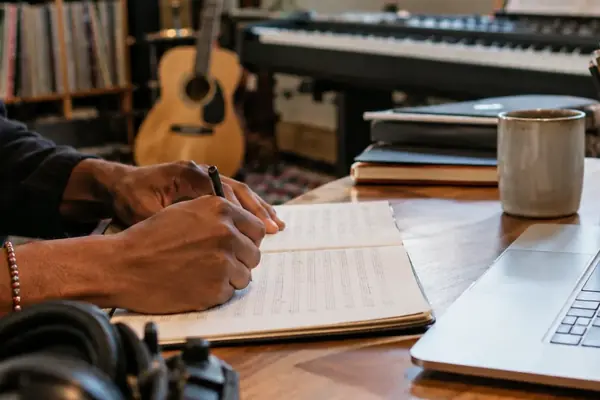
Notation often approximates these gestures through grace notes, arrows, explanatory text, tuplets, or altered accidentals. Rhythmic elasticity may appear visually complex even when the musical gesture feels direct after it has been heard. Performers should therefore treat notation, composer notes, recordings, and rehearsal demonstration as connected sources rather than ranking the printed page above all others.
Hear the Gesture
Western notation supplies a framework, yet it cannot fully preserve an oral tradition’s timing, timbre, or social context. Composer guidance and culturally authorized consultation remain essential to interpretation.
Rehearsal language matters here. Asking how a phrase breathes or where a vocable releases tends to reveal more than demanding immediate rhythmic regularity. The score still requires discipline, though that discipline includes learning where flexibility has been intentionally composed.
Navigating Cultural Integration in Scores
Read Before Rehearsing
Scores involving cedar flutes, hand drums, rattles, or other culturally specific instruments should be approached from the front matter forward. Performance notes may contain information with the force of a musical marking: who may handle an instrument, whether substitution is allowed, which materials are appropriate, and under what circumstances the work may be performed.
- Identify the instrument precisely. Avoid replacing a named cultural instrument with the nearest orchestral equivalent until the composer has addressed substitution.
- Review permissions and restrictions. Separate practical handling instructions from cultural protocols, then ensure that both reach every performer, conductor, librarian, and producer involved.
- Confirm the source of vocal or melodic material. Determine whether the composer created the material, received permission to use it, or is sharing a traditional song under defined conditions.
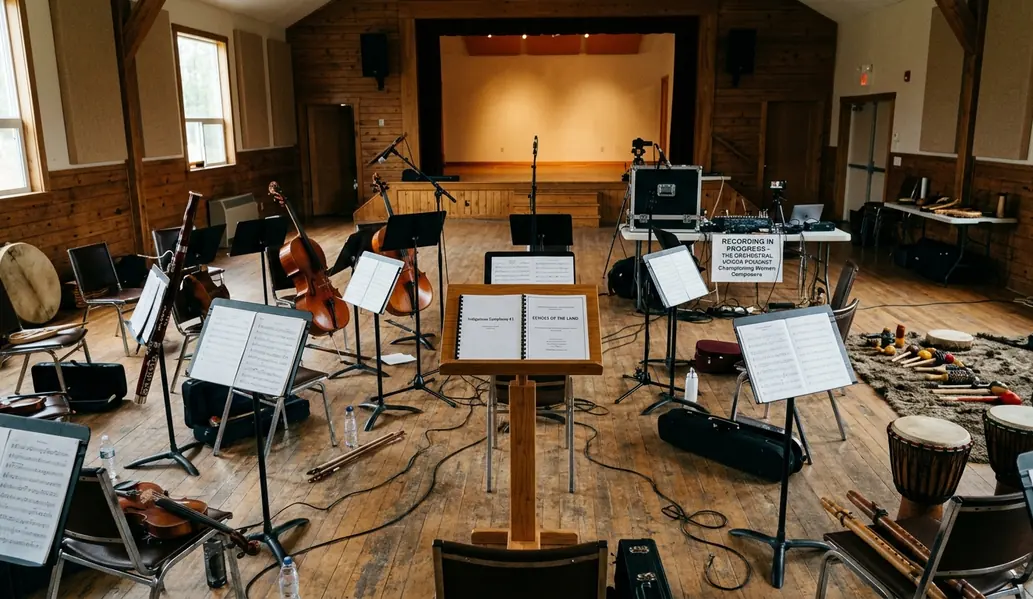
- Plan acoustic placement. Cedar flutes and hand drums may need to sit near the strings at the front of the stage rather than within the rear percussion section. Hall resonance and natural projection should determine the final position.
- Reserve dedicated rehearsal time. Cultural briefings and instrument-handling guidance belong in the schedule before detailed ensemble work begins.
Permission Shapes Performance
A composer sharing a traditional song within an authorized work establishes a defined cultural relationship. That permission does not automatically allow a non-Indigenous performer to extract the song, rearrange it, teach it separately, or use it in another setting. Cultural safety depends on respecting the stated scope of access.
Front matter may also specify that a particular part should be performed by a community member or culturally recognized knowledge holder. Some instructions govern when a work may appear; others concern who can touch or prepare an instrument. These directions are part of the score’s editorial standard, not optional programme context.
Protocol Is Musical
When a cultural instruction affects personnel, timing, instrumentation, or setting, it influences the performance as directly as tempo and articulation.
Building a Representative Listening Repertoire
Begin with Chamber Music
Chamber works offer a clear entry point because each instrumental colour remains exposed. In a small ensemble, a listener can follow the grain of a rattle, the breath inside a cedar flute tone, or the changing relationship between a hand drum and bowed strings. Full orchestral textures can conceal those details during a first encounter.
A representative listening practice should move across forms rather than collecting a few isolated orchestral works. Useful paths include:
- Indigenous opera and staged vocal work;
- choral music involving Indigenous languages or vocables;
- chamber works that pair traditional and Western instruments;
- solo works shaped by oral storytelling or land-based themes;
- orchestral works addressing historical memory, continuity, or reclamation.
Active listening begins with narrative questions. Does the piece depict a historical event, carry a creation story, or support language revitalization? Does repetition mark ceremony, memory, movement across land, or a structural return? Programme notes and composer statements can clarify these functions without reducing the music to biography.
Comparison also helps. Hearing a chamber work before a larger orchestral piece by the same composer can reveal how a traditional timbre changes under denser scoring. The listener starts to recognize compositional decisions rather than hearing every unfamiliar sound as a general sign of Indigeneity.
Programming and Teaching Indigenous Works Ethically
Place the Work in the Season
Tokenism often appears through placement. An Indigenous work confined to a heritage-month concert becomes institutionally marked as a special topic, while the standard season continues unchanged. Programming for justice integrates Indigenous composition into subscription concerts, student recitals, opera study, conducting classes, and ordinary repertoire planning.
Context should remain specific. Pairing works solely because their composers share an identity can flatten substantial differences in form, Nation, language, and aesthetic purpose. A stronger programme may connect pieces through orchestration, dramatic subject, treatment of landscape, vocal technique, or approaches to memory.
Teach Relationships, Not Categories
Music educators should introduce the composer’s stated context, explain relevant protocols, and distinguish public knowledge from restricted cultural material. Students can examine rhythm, timbre, form, and notation while also asking who authorized the work’s cultural content and how the performance conditions shape interpretation.
Each Nation and community sets its own protocols. Practices can differ even between neighbouring communities, and permission granted in one context does not transfer elsewhere. The University of Toronto’s guidelines for Indigenous music protocols offer a useful research starting point, while the score’s own instructions and the relevant community remain decisive for a particular performance.
Cultural consultation requires a real budget line. Consultants and elders contribute specialized knowledge that affects rehearsal procedure, pronunciation, instrument handling, and public framing. Treating that labour as an informal favour transfers the institution’s preparation costs onto the people whose knowledge makes the performance possible.
Budget the Relationship
Include cultural consultation, elder honoraria, travel, and dedicated protocol time when the programme is first proposed. Late-stage requests place avoidable pressure on both the community and the production team.
Sourcing Scores and Supporting Creators Directly
Follow the Composer’s Route
Many Indigenous composers self-publish because direct distribution preserves control over intellectual property, licensing, performance conditions, and culturally sensitive material. A score that cannot be found through a conventional distributor may still be available through the composer’s official channel, a specialized music centre, or a digital archive that prioritizes Indigenous work.
Before purchasing, the programmer should establish which edition is current and whether the licence covers the intended setting. An educational workshop, public concert, recording, livestream, and arrangement may require separate permissions. The absence of a restriction on a retailer’s page does not establish cultural clearance.
Commission Beyond the Existing Catalogue
Repeatedly programming the same available works can create a narrow canon inside a field defined by living creativity. Commissioning supports emerging composers, expands the repertoire, and gives an institution the chance to build an accountable relationship from the project’s beginning.
Lead time matters because the compositional process may include community consultation and land-based work. The commissioning agreement should address intellectual property, recording, future performances, cultural permissions, instrumentation, and the composer’s role during rehearsal. Clear terms protect artistic intent while preventing the commissioner from assuming ownership over cultural material.

Ethical Programming & Sourcing Checklist
- Verify intellectual property ownership and cultural permissions before purchasing scores.
- Read the complete front matter before confirming performers or instruments.
- Allocate specific budget lines for cultural consultants and elder honoraria.
- Schedule extra rehearsal time for protocols and instrument handling.
- Confirm whether performance, recording, streaming, and educational use require separate approval.
- Ask the composer how credit, programme notes, and community affiliations should be presented.
- Build commissioning timelines around consultation rather than forcing cultural work into a standard production calendar.
The Living Tradition in Practice
Finding the Shared Downbeat
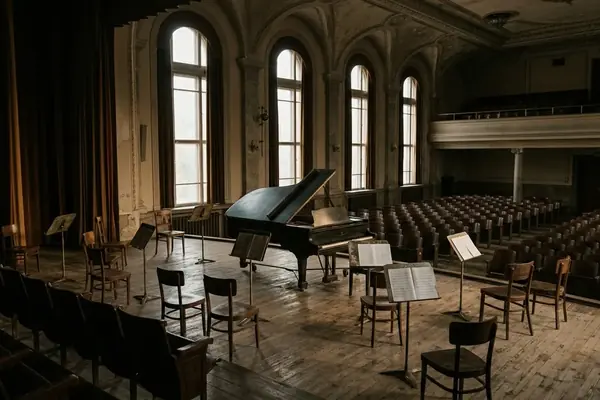
The hall settles as the traditional soloist raises a hide drum. Its first strike travels through the wooden floorboards, leaving a long resonance in the air. The cello section waits inside that decay rather than covering it.
At the podium, the conductor lowers the baton and watches the soloist’s shoulders. Both inhale. The drum hand begins to fall, the cellists lift their bows, and a shared downbeat emerges from breath before sound. The next strike meets the swell of the strings, and the concert hall becomes a place where orchestral technique and living tradition move together.


Add Your Thoughts