

When March Clears Black Composers from the Music Stands
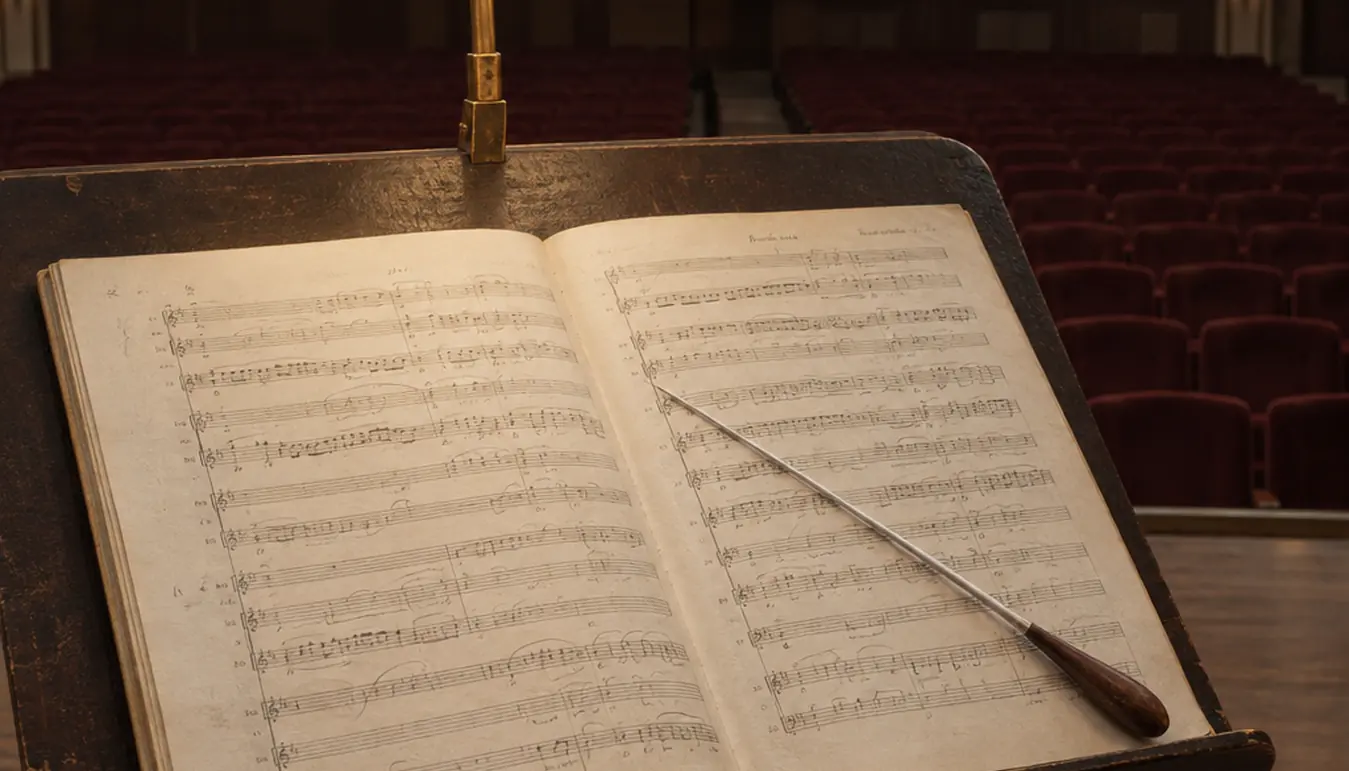
Picture the late-winter ritual in a symphony hall library: Samuel Coleridge-Taylor and Florence Price folders come off the return trolley, parts go into archive boxes or publisher-return parcels, and Brahms and Beethoven take their places on the preparation desk. The February concert has finished. The next subscription programme already has the institution’s attention.
That changeover makes a useful diagnostic scene. What happens to a score after its first performance reveals how an orchestra intends to treat it: as repertoire to develop, or as material for a completed event.
Black History Month can provide a meaningful occasion for discovery, historical discussion, and celebration. The programming problem begins when that occasion becomes the only available destination for Black composers. A February appearance can then coexist comfortably with an otherwise unchanged subscription season. Visibility rises briefly; artistic responsibility stays where it was.
The distinction lies in the commitments surrounding the performance. Does the work receive a place in the main subscription series? Does the orchestra prepare it with the same seriousness as neighbouring repertoire? Will another conductor encounter it in a future planning discussion? A photograph from a themed concert answers none of those questions.
Programming for justice requires continuity in the artistic calendar. It means giving Black composers access to ordinary autumn and spring concerts, including programmes whose titles make no reference to identity. The music should remain available when the commemorative occasion has passed.
How One-Off Performances Interrupt Interpretive Memory
A score played repeatedly acquires an institutional history. String principals refine bowings; wind players learn where a phrase needs space; conductors inherit practical knowledge about balance. Familiar repertoire benefits from those accumulated decisions before the opening rehearsal begins.
A work encountered only as an annual special event has fewer opportunities to develop that shared understanding. Players must establish articulation, pacing, and ensemble priorities while also learning the notes. If preparation is compressed, the performance may communicate caution where the score asks for character.
That has consequences for how listeners judge the composition. A tentative account can make a structurally assured work sound episodic. An under-rehearsed transition can obscure the relationship between contrasting sections. The resulting impression attaches to the composer, even when the more immediate problem lies in preparation.
The Subscription Label Teaches Listeners What Belongs
Compare a work placed beside established repertoire on an ordinary subscription evening with the same work advertised solely as a cultural introduction. The first setting invites sustained musical comparison. The second can encourage listeners to treat attendance as an educational duty, separate from their habitual concertgoing.
Education concerts have their own artistic value. Their existence should expand the routes into a composer’s music rather than carry the entire responsibility for presenting it.
Interpretive permanence also needs practical memory. Libraries can retain preparation notes, record edition choices, and preserve permitted bowing documentation for a return engagement. Artistic teams can schedule that return while the first performance is still fresh. Repetition gives musicians the chance to revise an interpretation rather than continually assemble a first reading.
The useful question after a successful discovery concert is specific: which musical decisions should the ensemble revisit when this score returns?
Building Core Programmes Around Coleridge-Taylor and Wallen
Coleridge-Taylor’s Ballade in A minor and Errollyn Wallen’s Mighty River offer distinct routes into core programming. The former can support a Romantic programme concerned with dramatic continuity; the latter invites attention to rhythmic propulsion within an orchestral evening. Neither requires a February date to establish a musical rationale.
Coleridge-Taylor Beside Elgar and Brahms
Place the Ballade alongside Elgar’s Enigma Variations on an autumn subscription bill. Build the programme note around how orchestral colour, contrast, and thematic return sustain a listener’s attention. That provides a concrete listening task without making Coleridge-Taylor’s biography do all the explanatory work.
The comparison should preserve the identity of each score. Ask where the Ballade concentrates dramatic pressure, how transitions shape its trajectory, and what makes its return passages persuasive. Then examine Elgar’s handling of continuity through a different formal design. Comparison becomes useful when it sharpens hearing.
For a chamber series, pair Coleridge-Taylor’s Clarinet Quintet with Brahms’s work for the same instrumental combination. Shared forces give listeners an immediate point of entry: the changing relationship between clarinet and strings. Programme notes can direct attention to register, texture, and the movement of melodic responsibility through the ensemble.
Dvořák can also be a productive neighbour, provided the curatorial argument asks a precise musical question. Avoid letting an influence narrative substitute for close listening to Coleridge-Taylor’s own formal choices.
Wallen on the Season-Opening Bill
An October programme placing Wallen’s Mighty River alongside orchestral music by John Adams can make rhythmic motion its organising subject. Invite listeners to follow how recurring activity generates momentum, how wind and brass writing changes its weight, and where harmonic movement redirects that energy.
Stravinsky offers another possible comparison around motoric textures. The choice between those neighbours should follow the specific scores, available forces, and intended shape of the evening.
I would give Wallen equal prominence in the programme’s title, rehearsal discussion, and advance listening material. A compelling pairing loses force when the publicity treats one composer as the attraction and the other as an introductory gesture.
These are starting blueprints. A chamber pairing creates space for close comparison; an orchestral pairing tests continuity across contrasting musical languages. Both give the audience something substantial to hear beyond a shared commemorative label.
Moving Integration into Planning Meetings and Library Budgets
Start with the season grid before approving the promotional theme. By the brochure stage, guest artists, repertoire requests, and performance arrangements may already constrain the available choices. Integration needs a place in the meeting where the repertoire is selected.

- Separate the concert streams. Put subscription masterworks, chamber events, education concerts, and community programmes in distinct columns. Keep each stream visible so that outreach activity cannot conceal an unchanged flagship series.
- Map the composers across the calendar. Examine several seasons together. Look for Black composers appearing repeatedly in February while autumn and spring retain the same narrow repertoire patterns.
- Record each work’s function. Identify openers, concertos, substantial orchestral works, and chamber centrepieces. Calendar distribution and artistic weight deserve separate scrutiny.
- Agree on a return route. Assign responsibility for reconsidering a work after its first performance. Include the music librarian and orchestral representatives in that discussion.
Keep Preparation Available for the Next Performance
Make score acquisition part of repertoire planning. Where purchase rights permit, an owned score and set of parts give the library material it can maintain and prepare for future use. Budget for cataloguing and preparation alongside the acquisition itself.
For hire-only repertoire, negotiate repeat-performance arrangements and permitted retention of preparation documentation with the publisher. That changes the practical task from purchasing an asset to securing continuity of access.
Archive discovery has a place here too. Catalogues such as the Library of Congress music collections can support repertoire exploration; the planning committee must then carry a candidate score through edition checks, performance preparation, and an actual calendar decision.
Write About the Musical Argument
Give marketing staff and programme-note writers a score-led brief. Identify the work’s formal trajectory, distinctive textures, and interpretive demands. Historical exclusion belongs in the discussion, alongside an account of what the listener will encounter in the music.
A sentence explaining how a transition changes the direction of a movement can create genuine curiosity. Repeated assurances that a neglected composer deserves attention leave the musical encounter waiting to begin.
Reading the Next Brochure Before Renewing
Open the next season brochure at October, November, and April. Set aside education visits, family concerts, and non-subscription community events for this particular check. Examine what the institution offers its regular masterworks audience.
Use a simple rubric:
- Placement: Do Black composers appear beyond February in the flagship series?
- Responsibility: Do their works carry substantial musical weight, including concerto or symphonic positions?
- Continuity: Does a composer return through different works or renewed performances?
- Presentation: Does the brochure describe musical substance with the specificity it gives established repertoire?
Subscribers can send artistic leadership a precise observation before renewing: name the affected subscription dates, identify the clustering, and ask which future mainstage slots will change. Praise an effective pairing with equal specificity. Useful feedback distinguishes an artistic decision worth repeating from a general statement of support.
Board members can ask for the same calendar view during planning discussions, together with preparation and library commitments. Educators and ensemble directors can apply the rubric to their own seasons before assigning it to larger institutions.
When you open your orchestra’s next brochure and examine the October, November, and April masterworks concerts, will you renew a season that still gives Black compositional genius a February-only invitation?




Add Your Thoughts