


What the Audition Screen Changed for Women Instrumentalists
A screened orchestral audition places the musician behind an opaque fabric barrier, allowing the hiring committee to assess the performance without seeing the player. The material lets sound pass through while concealing visual cues. Carpet along the route to the music stand helps suppress another clue: footwear striking a wooden stage.
That small practical detail matters. Anonymity needs a whole procedure around it.
During our editorial team's review of archival broadcast interviews from The Daffodil Perspective's peak programming period around 2021, accounts of audition preparation repeatedly brought attention to those backstage arrangements. This archival work, documenting women composers and performers, grounds a useful question: which parts of musical judgment become fairer when institutions change the conditions of listening?
The spread of screened auditions across North American orchestras during the later twentieth century disrupted opportunities for panels to dismiss women instrumentalists on sight. Evidence that screens affected women's advancement and hiring appears in foundational economic research on blind orchestral auditions. Its findings deserve careful reading: evidence about gender and screening does not establish equivalent effects on racial equity.
The screen created a more defensible preliminary assessment. Committees could concentrate on intonation, rhythm, articulation and phrasing without seeing a candidate's gender presentation or physical appearance. Keeping that protection makes sense.
Yet an orchestra hires through a sequence of decisions. Acoustic anonymity protects only the decisions made while it remains intact.
Who Gets Through the Door Before the Curtain Rises?
A musician can face the decisive exclusion months before the committee hears a note. Consider the expenses that accumulate before an application reaches the personnel office.
- Conservatory and studio instruction: tuition and sustained private teaching create recurring costs throughout preparation. Unpaid summer festival opportunities can add further pressure.
- Instrument acquisition: a professional-grade instrument and bow require a substantial purchase, access to a loan scheme, or another dependable borrowing arrangement.
- Audition travel: transport, accommodation and time away from paid work recur as players pursue vacancies across a season. Large instruments complicate the journey further.
These expenses shape who can keep applying. A fair hearing at the end of that route leaves the route itself untouched.
Pedigree Filters Before Playing
Résumé screening adds an administrative barrier. When a committee treats attendance at a small group of prestigious conservatories as shorthand for readiness, it risks filtering for access to training rather than the performance required by the vacancy. A player with strong section experience and a less familiar educational history may never receive an invitation.
Every rejection rule should answer a concrete question: what requirement of this job does it test? Institutional prestige alone supplies a weak answer.
The Unscreened Trial Changes the Test
There is a hard boundary between a screened preliminary and an unscreened section trial. Behind the curtain, a committee evaluates a brief, largely standardized performance. During rehearsals and concerts, colleagues see the candidate, interact socially and judge their place within an existing ensemble.
That later assessment has legitimate musical purposes. Players must respond to a conductor, adjust balance and coordinate with colleagues. But phrases such as “ensemble fit” and “sound tradition” can also shelter racial and cultural assumptions when committees leave them undefined.
Define Section Fit. Require an observation: how did the candidate adjust articulation after a request, match a phrase ending or respond to a changed tempo? Familiarity with the candidate's background cannot substitute for evidence.
Recruit Beyond Conservatory Pedigree and Score the Work
Passive advertising and active recruitment produce different searches. Posting a vacancy reaches musicians already watching the usual channels. Sustained relationships with historically underrepresented musician collectives and community music schools can bring the opportunity to players outside those networks.
Those relationships need attention between vacancies. Administrators should explain audition procedures, listen to access concerns and make application requirements available early. Recruitment loses credibility when an orchestra invites a wider field into an unchanged pedigree filter.
Build Access Into Each Hiring Decision
- Remove unnecessary résumé exclusions. Where practical, offer applicants a playing assessment without ranking their conservatory names. Publish any essential eligibility requirements and explain their connection to the position.
- Use anonymous audio when a preliminary filter is necessary. Give everyone the same repertoire, recording instructions and submission process. Separate identifying information from the files assessed by listeners, and avoid production requirements that reward expensive recording facilities.
- Fund attendance at the live audition. Explain travel support before candidates accept an invitation. Include clear arrangements for instrument transport and accommodation, with advance payment where possible.
- Calibrate the committee. Have panel members score sample performances against shared criteria before hearing applicants. Discuss disagreements and replace vague descriptors with observable musical behaviours.
Anonymous recordings still reflect differences in rooms, equipment and access to preparation. A workable protocol acknowledges those differences and keeps its technical demands proportionate.
Give Broader Musicianship a Defined Place
Retain the standard excerpts that test the actual orchestral job. Alongside them, assess artistic versatility, community engagement and experience performing music by women and underrepresented composers through clearly identified parts of the process. Community work belongs in a structured assessment, with allowance for the opportunities candidates have had.
A repertoire packet might place Florence Price, a woman composer of African descent, alongside established classical repertoire. Other searches could draw on William Grant Still, a Black male composer, or Chen Yi, a Chinese composer, where suitable passages serve the instrument and vacancy. Explain the musical demands of every selection.
Bring the Wider Search Into the Rehearsal Room
The audition packet arrives. It explains the repertoire, the assessment criteria, the travel arrangements and what happens after the screened round. That clarity lets candidates prepare for the musical task instead of guessing at unwritten expectations.
Active recruitment widens the invitation. Travel support makes accepting it more feasible. A broader repertoire requirement gives candidates and committees a shared reason to engage seriously with music beyond the customary excerpt list.
Inclusive hiring can expand an ensemble's musical experience and strengthen its capacity to champion women composers and composers of color. Personnel diversity alone does not write a concert season. Programming for justice also requires artistic leaders to schedule those works, provide rehearsal time and support musicians in learning them.
A collaborative chamber callback makes the final assessment more concrete. Give each finalist comparable preparation and playing conditions. Ask the committee to record how the musician listens, negotiates balance and responds to a colleague's suggestion. Carry those criteria into the tenure process so that a transparent audition leads to an equally accountable appointment.
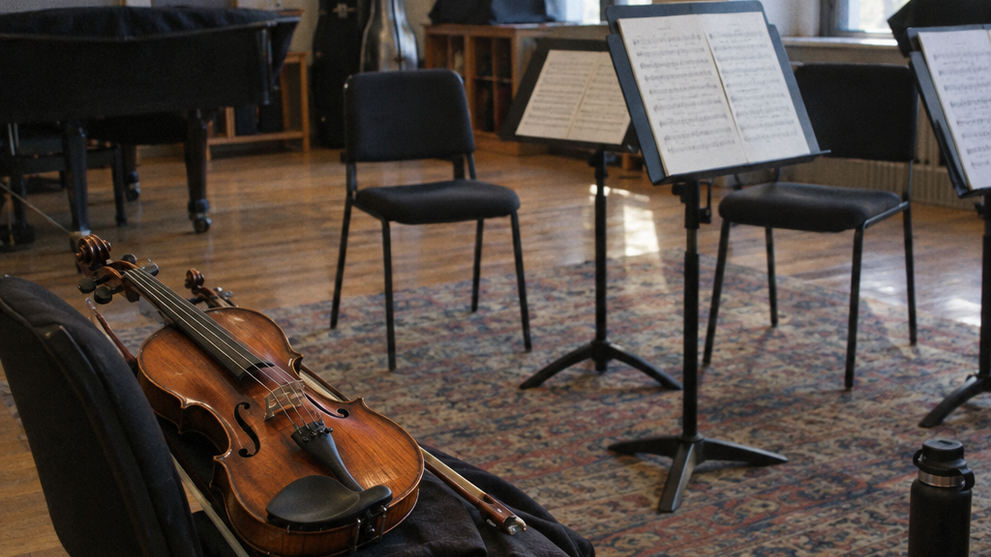
Picture a young violist arriving at a regional symphony hall. Her access stipend has paid for the journey. She opens an audition packet containing Florence Price alongside Mozart, checks a bowing and walks onto the stage for the chamber callback. The newly trained, diverse tenure committee has its scoring sheets ready. A colleague offers the opening tempo; she lifts her bow, listens to the intake of breath beside her, and joins the phrase.









Add Your Thoughts